
Fire Services


If this is an emergency, dial 9-1-1. Do not wait.
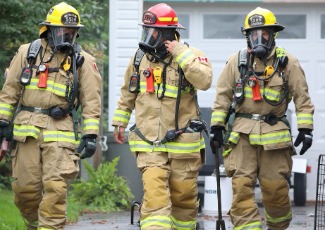
Oshawa Fire Services (O.F.S.) provides the highest level of life safety and property protection to our community. We are proud of the men and women who work for O.F.S. and the skills and services they provide daily.
Our Services
.jpeg)

History
Oshawa Fire Services began in 1856 as a volunteer department under Chief Engineer Patrick Thornton. There has been much advancement since our first pumper and bucket brigade. Today, we are a modern, well-educated and expertly trained fire department.
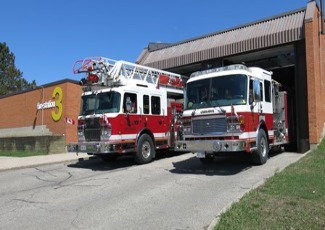
Today Oshawa Fire Services has six fire station locations and approximately 200 staff. Our role is to protect the lives of our citizens from fire and other public hazards.
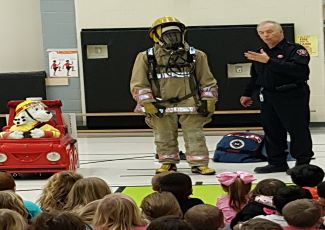
We do this through fire prevention , education, planning and emergency incident services.
Learn more about Oshawa Fire Service's history.
Oshawa Fire Services Training Tower
The O.F.S Training Tower had its ribbon cutting ceremony on April 14, 2023, and is now officially open for training. The tower is located on the south field of the Oshawa Airport.
This facility was created from modified shipping containers and mimics a four-story building for realistic firefighter training.
It will provide firefighters with a safe environment to practice firefighting techniques and high-angle rescues.
Annual Report
View the accessible P.D.F. of the annual report